
Most people assume that if they pack everything themselves, movers are little more than delivery drivers. That assumption misses a lot. The role of movers in self pack situations is far more technical and consequential than simply shifting boxes from A to B. Professional movers bring trained lifting technique, efficient loading methods, and move-day coordination that directly affect whether your belongings arrive safely and on schedule. This article breaks down exactly what movers do in a self-pack context, how your preparation affects their performance, and where the real risks lie when you go the hybrid route.
Table of Contents
- Key takeaways
- What a self-pack move actually means
- What movers actually do on move day
- Preparing yourself to help movers work better
- Trade-offs and challenges worth knowing about
- My honest take after seeing hundreds of these moves
- How Themuscleandtruck supports your self-pack move
- FAQ
Key takeaways
| Point | Details |
|---|---|
| Movers handle much more than driving | Professionals manage safe loading, cargo securing, and precise unloading even when you pack every box yourself. |
| Your packing quality directly affects outcomes | Well-labelled, correctly weighted boxes allow movers to work faster and significantly reduce damage risk. |
| Labour-only options offer real flexibility | You can hire movers for loading and unloading only, keeping costs lower while still getting professional help. |
| Self-pack means you own the risk on packing | Damage caused by poor packing is your responsibility, not the mover’s, so preparation matters enormously. |
| Communication on move day is a force multiplier | Clear instructions to movers on placement and handling can transform a chaotic day into a smooth one. |
What a self-pack move actually means
A self-pack move is exactly what it sounds like. You box, wrap, and prepare every item in your home or office. The movers arrive once that work is done. Self-pack customers handle preparation entirely, while professionals take over for loading, transporting, and unloading.
This is quite different from a full-service move, where movers pack your belongings, dismantle furniture, wrap fragile items, and handle everything from start to finish. In a self-pack arrangement, the division of labour is clear. You control the packing. They control the physical move.
What catches many people off guard is the range of what “self-pack” can mean in practice. Some customers pack and then hire movers for the entire loading, transport, and unloading process. Others only need labour for heavy lifting and handle the truck rental themselves. Others want transport only, particularly for small or studio moves in Singapore where the volume is manageable.
- Packing and preparation: Your responsibility entirely, including boxing, wrapping, labelling, and staging items near the door or lift lobby
- Loading the truck: Typically handled by movers, though some customers assist
- Transportation: Managed by the moving company in most cases, though self-drive hire is an option
- Unloading and placement: Movers place items in designated rooms based on your labels and instructions
- Furniture dismantling: Not included in most self-pack arrangements unless specifically arranged
Pro Tip: Finish all packing at least the evening before your move. Movers waiting while you pack costs you time on an hourly rate and raises stress levels for everyone involved.
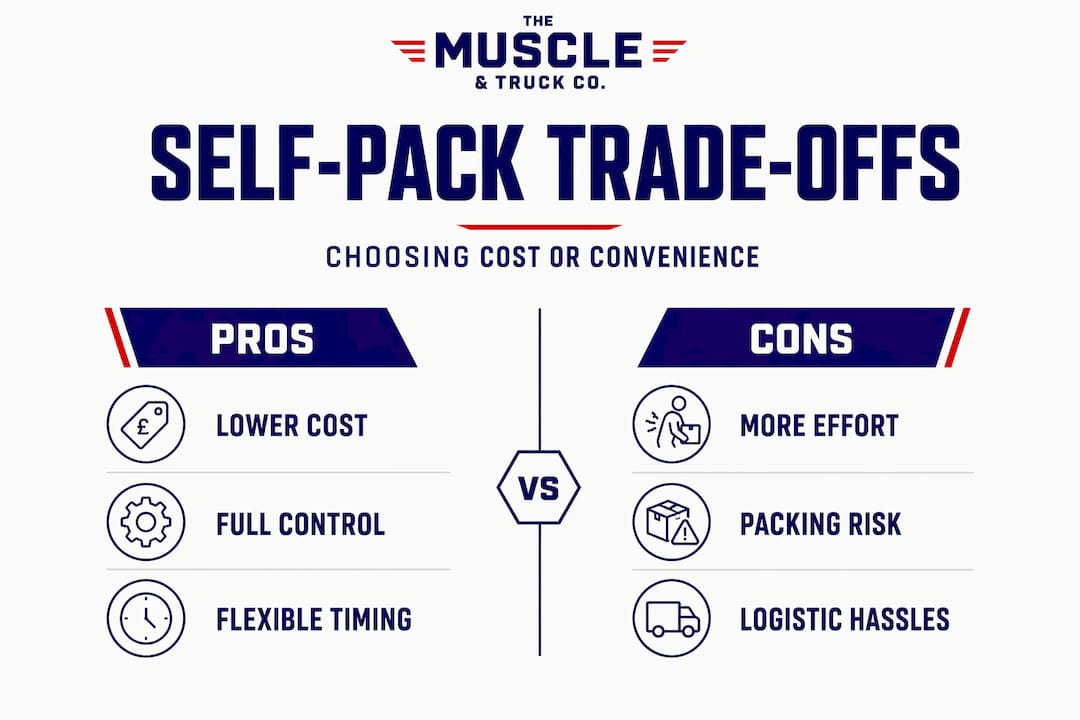
The practical upside of self-pack is cost. Self-service moves cost less than full-service options, but they shift a significant amount of coordination and physical work onto you. That trade-off suits budget-conscious movers, small businesses clearing an office, or anyone who prefers full control over how their belongings are handled before the truck arrives.
What movers actually do on move day
Here is where the misconception falls apart. Even in a self-pack scenario, the professional mover’s contribution on move day requires real skill. What movers do on moving day goes well beyond carrying boxes.
- Assessment and planning. Before a single item is lifted, experienced movers walk through the space. They identify heavy pieces, awkward angles, narrow corridors, and potential hazards. This walkthrough shapes the entire loading sequence.
- Safe lifting and handling. Trained movers use proper body mechanics and team lifting techniques for heavy or bulky items like sofas, wardrobes, and appliances. This protects both your furniture and their safety.
- Efficient truck loading. Loading is not random stacking. Heavy, dense items like appliances and filing cabinets go in first and low. Lighter boxes go on top. Fragile-labelled items are positioned away from shifting loads. The goal is to prevent movement during transit, because a poorly loaded truck will damage boxes no matter how well you packed them.
- Cargo securing. Professional movers use straps, blankets, and tie-down points inside the truck to keep loads stable. This step is frequently overlooked in DIY arrangements and is a common cause of transit damage.
- Transport and navigation. The driver handles route planning, timing, and compliance with any access restrictions at either end of the move.
- Unloading and placement. Movers carry items to the correct rooms according to your labels and verbal instructions. Good labelling here is worth its weight. It removes guesswork and speeds up the entire unloading process.
“Staging, labelling, and scheduling ahead of the move significantly improve how quickly and accurately movers can load and place your belongings.” Ace Relocation
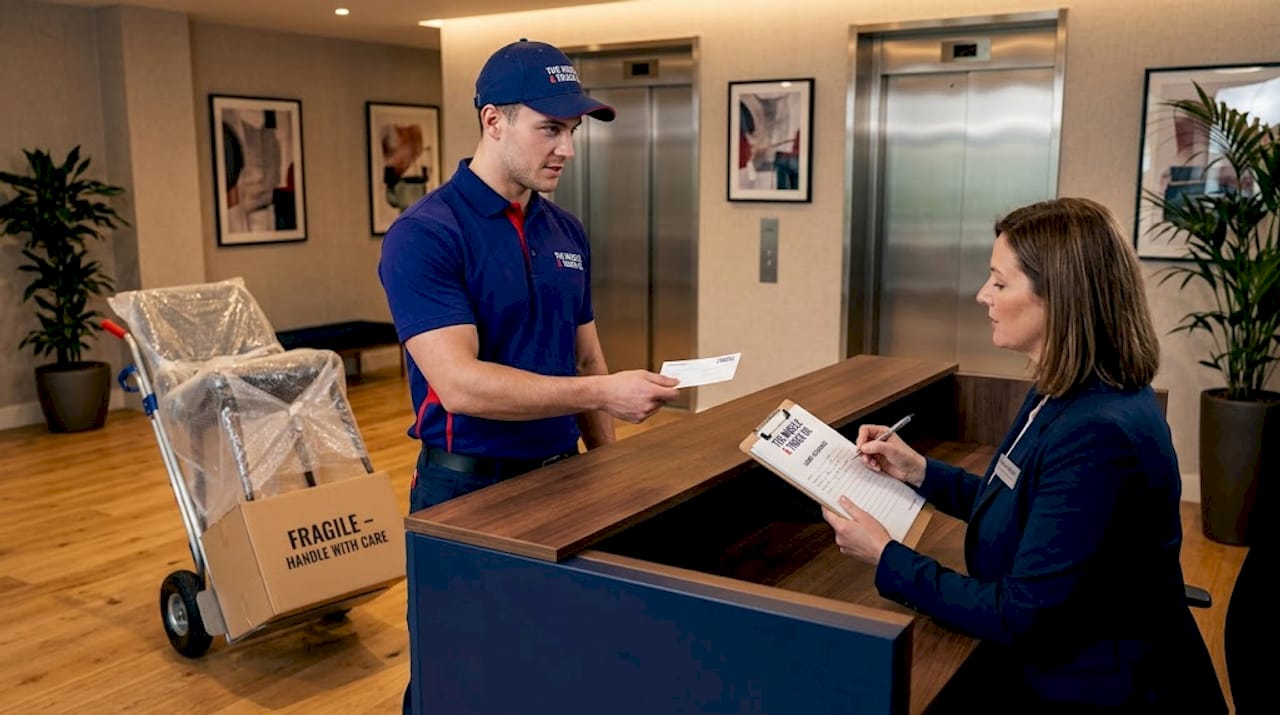
There are also logistics tasks that often fall to movers when you arrange them upfront. In Singapore, building access management matters. Movers coordinate local logistics such as lift bookings and compliance with building regulations. In a self-pack move, you may need to arrange these yourself unless you confirm with your mover that they will manage it. This is one of the logistical details that trips up first-time self-pack customers.
Pro Tip: Tell your movers in advance if your building requires a lift booking, a deposit, or specific service hours. Arriving without this sorted can delay the entire move and add costs.
For self-storage in logistics, some self-pack moves also involve a staging phase where items are moved into temporary storage before the final destination is ready. Movers can often coordinate this as part of the service, which is worth discussing at the booking stage.
Preparing yourself to help movers work better
Your packing quality has a direct effect on how quickly and safely your movers can do their job. Think of your preparation as setting movers up for success, or failure. Here is how to prepare well.
- Keep box weights manageable. Packing boxes under 22kg makes them safer to carry and reduces the chance of a box breaking mid-lift. Heavy items like books should go in small boxes. Lighter items can fill larger ones.
- Label every box clearly. Write the destination room on at least two sides of each box. “Kitchen,” “Master Bedroom,” or “Office” gives movers instant placement instructions without needing to ask you every five minutes.
- Stage boxes near the exit. Position packed boxes as close to the truck loading point as possible without blocking walkways. This alone can cut loading time noticeably.
- Wrap furniture edges. Use furniture blankets or bubble wrap on corners and protruding parts. This protects both the item and your walls during transit.
- Separate high-priority items. Keep documents, valuables, and fragile items you want to handle personally in a separate, clearly marked bag or box you carry yourself.
| Preparation action | Effect on movers’ work |
|---|---|
| Boxes kept under 50 lbs | Faster lifting, lower injury risk, fewer dropped items |
| Clear room labelling | Reduces placement questions, speeds up unloading |
| Staging near exit point | Cuts loading time by reducing carrying distance |
| Furniture edges wrapped | Fewer wall scuffs and surface damage in transit |
| Packing completed night before | Movers start work immediately on arrival, no delays |
Better packing and labelling directly reduces the movers’ labour burden and keeps the day on schedule. One point that often gets overlooked is shrink wrap. Many people wrap entire sofas or wardrobes in shrink wrap thinking it adds protection. In reality, shrink wrap secures moving parts like drawers and cabinet doors from swinging open, but it does nothing to protect the contents inside furniture or the surface of the piece. Use it for that specific purpose, and use furniture blankets for surface protection.
For a thorough walkthrough on packing your home efficiently, the DIY packing guide from Themuscleandtruck is one of the more practical resources available for Singapore residents.
Trade-offs and challenges worth knowing about
Self-pack moves are genuinely cost-effective, but they come with trade-offs that can catch people out. Self-service moving requires longer timelines and greater coordination than most customers expect.
The most significant risk is damage from poor packing. When a full-service mover packs your items and damage occurs, there is an argument for claiming against their insurance. In a self-pack move, poor packing quality increases damage risk and the responsibility for loss or breakage sits with you. Most self-pack mover agreements explicitly state this. Your best protection is packing well.
| Scenario | Self-pack move | Full-service move |
|---|---|---|
| Packing responsibility | Customer | Mover |
| Cost | Lower | Higher |
| Control over packing | High | Low |
| Damage liability | Customer | Shared or mover |
| Physical effort required | High | Low |
| Flexibility on timing | Higher | Lower |
Building access is another common friction point in Singapore. HDB blocks, condominiums, and commercial buildings often have specific service lift hours, deposit requirements, and parking restrictions. Customers on a self-pack move may need to manage these arrangements themselves, whereas a full-service mover typically handles this on your behalf.
Labour-only movers can be added to a self-pack arrangement as a hybrid solution. You pack everything, but you hire a small crew specifically for loading and unloading. This option reduces the physical demand on you significantly while keeping costs well below a full-service quote. For small businesses moving an office, or for anyone shifting a one-bedroom flat, this hybrid model is often the most practical choice. If you want to understand how cheap vs professional movers differ in practice, that comparison is worth reviewing before you decide.
My honest take after seeing hundreds of these moves
I’ve watched a lot of self-pack moves unfold, and the pattern is remarkably consistent. The customers who prepared well, labelled boxes clearly, and staged everything near the lift had smooth, fast moves. The ones who were still packing when the movers arrived had difficult, expensive days.
What I’ve come to believe is that movers are genuinely indispensable in a self-pack arrangement, even if their role is narrower than in a full-service move. The skill gap between a trained mover and an untrained person becomes most visible during loading. Most people have no idea how much technique goes into stacking a truck so that nothing shifts. I’ve seen a beautifully packed set of boxes arrive with dents and scratches simply because the truck was loaded without proper sequencing or strapping.
The mistake I see most often is customers thinking that because they’ve done the hard work of packing, the rest will be easy. Loading a truck efficiently is a craft. Carrying a four-door wardrobe down a narrow staircase without wall damage is a skill. These are not things you acquire by watching a few videos.
My advice: treat your relationship with movers as a collaboration, not a transaction. Brief them on fragile items, confirm building access details in advance, and be present to answer questions quickly during unloading. That communication alone can turn a potentially chaotic day into one you barely have to think about.
Good communication and solid preparation are not nice-to-haves in a self-pack move. They are the difference between a move that works and one that doesn’t.
— Jessica
How Themuscleandtruck supports your self-pack move
If you’ve packed everything yourself and need reliable professionals to handle the heavy lifting, Themuscleandtruck is built for exactly this scenario.
Themuscleandtruck offers transparent, hourly-priced truck and manpower services in Singapore for customers with pre-packed belongings. Whether you need transport and labour for a full move or a labour-only crew for loading and unloading, the service is priced clearly with no hidden fees. It’s a practical fit for small moves, studio relocations, and small business office shifts where full-service pricing does not make sense. Get a moving quote instantly and see exactly what your move would cost before you commit.
FAQ
What is a self-pack move?
A self-pack move is when you pack and prepare all your belongings yourself, and professional movers handle the loading, transport, and unloading. You control the packing; the movers manage the physical relocation.
What do movers do in a self-pack arrangement?
Movers assess the space, safely load the truck using proper sequencing and strapping techniques, transport your items, and unload them into the correct rooms according to your labels and instructions.
Who is responsible for damage in a self-pack move?
If damage results from poor packing, the responsibility typically sits with the customer. Movers are generally liable only for damage caused during loading, transit, or unloading, not from inadequate packing preparation.
Can I hire movers for loading and unloading only?
Yes. Labour-only mover hire is a hybrid option where you handle packing and transport arrangements yourself, but bring in a professional crew for the heavy lifting. This keeps costs lower than a full-service move while reducing physical strain.
How do I prepare to get the best from my movers?
Finish packing the night before, keep boxes under 50 lbs, label every box with its destination room, and stage items near the exit point. Clear labelling and good staging can meaningfully reduce the total time movers spend on your job.