
Most people assume a small move is simple. A few boxes, a van, and it’s done. But anyone who has actually tried to plan a small move knows the reality is messier than that. Forgotten items, poor packing, and heavy furniture that won’t fit through doors all add up to a stressful day. This guide cuts through the noise and gives you a practical, step-by-step approach to planning, packing, and executing your move without wasted effort or money.
Table of Contents
- Key takeaways
- Preparing to plan a small move
- Packing strategies for a small move
- Moving heavy and bulky items safely
- Tackling moving day challenges
- My honest take on small moves
- Moving made easier with Themuscleandtruck
- FAQ
Key takeaways
| Point | Details |
|---|---|
| Declutter before you pack | Use a keep, donate, recycle system to reduce what you move and cut costs significantly. |
| Use the right box sizes | Small boxes for heavy items, large boxes for light items, to avoid injury and breakage. |
| Measure everything first | Check furniture and doorway dimensions before moving day to avoid costly surprises. |
| Pack an essentials bag | Prepare a bag with documents, toiletries, and basics you need for the first 48 hours. |
| Book mid-month if possible | Moving during off-peak periods can reduce transport costs and increase slot availability. |
Preparing to plan a small move
Good preparation is the difference between a smooth move and a chaotic one. Most people skip this stage or rush through it, and they pay for it later in extra trips, missing items, and unnecessary fatigue.
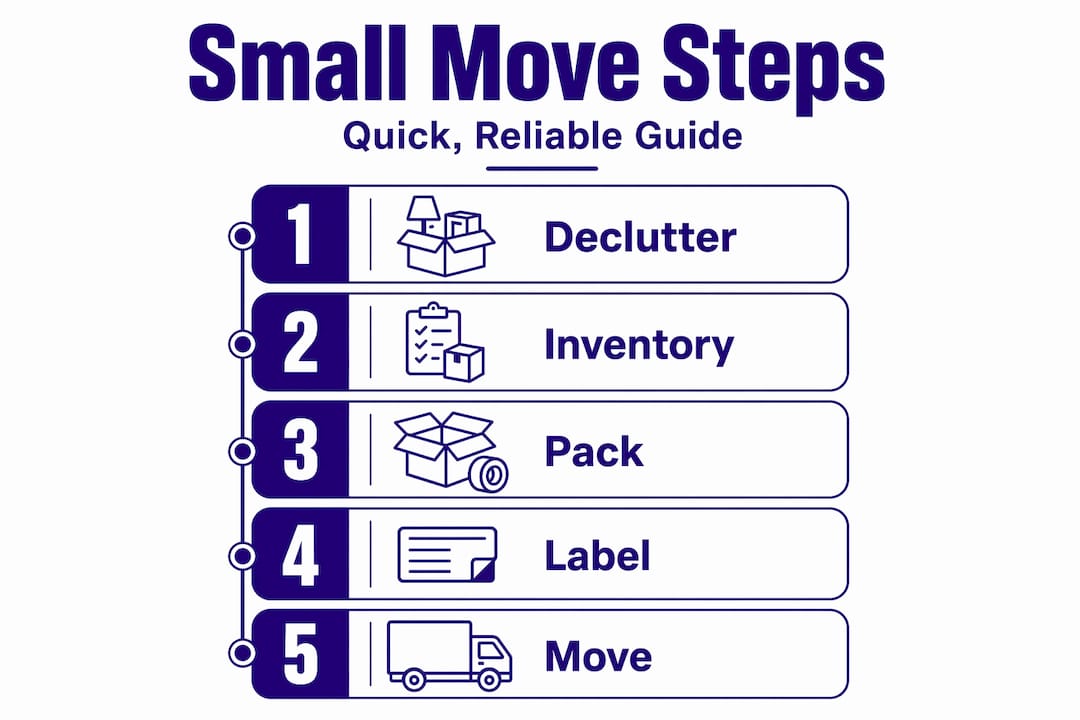
Start with a proper inventory. Walk through your home and list every item you intend to move. This sounds tedious, but it forces you to think clearly about what actually needs to go. It also helps you estimate how much transport space you require, which directly affects your costs.
The single most effective preparation step is decluttering. Decluttering reduces physical labour and the financial cost of your move. The logic is simple: fewer items mean fewer boxes, less truck space, and less time. Use the classic three-category system: keep, donate, and recycle or trash. Be honest with yourself. If you have not used something in 12 months, the new home is not where it belongs either.
Once you know what you are moving, decide which items you can handle yourself and which need extra hands. Heavy furniture, large appliances, and bulky wardrobes are the most common problems in a DIY small move. Plan for those specifically.
Here is a basic small moving checklist to get your preparation sorted:
- Complete your home inventory and mark items to keep, donate, or discard
- Confirm the address, lift access, and parking at both properties
- Source packing supplies: boxes in multiple sizes, bubble wrap, packing paper, tape, and markers
- Create a simple timeline working backwards from moving day
- Arrange helpers or book a truck and manpower service if needed
- Notify relevant parties of your change of address
Pro Tip: Set a packing deadline at least two days before moving day. This buffer gives you time to handle anything unexpected and avoids the all-too-common 2 a.m. packing panic.
Knowing how far in advance to plan is genuinely useful at this stage. For a small move, two to four weeks of preparation is usually sufficient, but starting earlier always helps.
Packing strategies for a small move
Packing well saves you time at both ends of the move. The goal is to protect your belongings, keep things organised, and make unpacking as quick as possible.
Room-by-room packing
Work through one room at a time. Start with rooms you use least, such as a spare bedroom or storage area. Leave the kitchen, bathroom, and bedroom until last so you are not disrupting your daily routine too early.
Choosing the right boxes
Box size matters more than most people realise. Small boxes are best for heavy items like books and cookware, while large boxes work for pillows, bedding, and light items. Mixing these up leads to boxes that are either unmanageable or wasteful. Here is a quick reference:
| Item type | Recommended box size | Reason |
|---|---|---|
| Books, tools, tins | Small | Heavy; manageable weight |
| Bedding, cushions | Large | Bulky but light |
| Kitchenware, plates | Medium with dividers | Needs cushioning and structure |
| Clothes | Large or wardrobe box | Space-efficient, wrinkle-free |
Always label boxes on at least two sides and use adequate cushioning materials around fragile items. A label on one side is useless once boxes are stacked.
Packing fragile items properly
Wrap each fragile piece individually in packing paper or bubble wrap. Place heavier items at the bottom of the box and lighter, more delicate pieces on top. Fill any empty space with crumpled paper to prevent shifting during transit.
Pro Tip: Pack an essentials bag separately from everything else. According to moving packing advice, you should include important documents, valuables, toiletries, and basic kitchen items you will need in the first 24 to 48 hours. Load this bag last and unload it first.
For more detailed guidance on the best way to pack light and efficiently for your specific home type, the DIY packing guide from Themuscleandtruck covers this clearly.
Moving heavy and bulky items safely
This is where most small moves run into real trouble. Heavy furniture gets stuck in doorways, floors get scratched, and people hurt their backs. None of this needs to happen with proper preparation.
Step 1: Measure before moving day
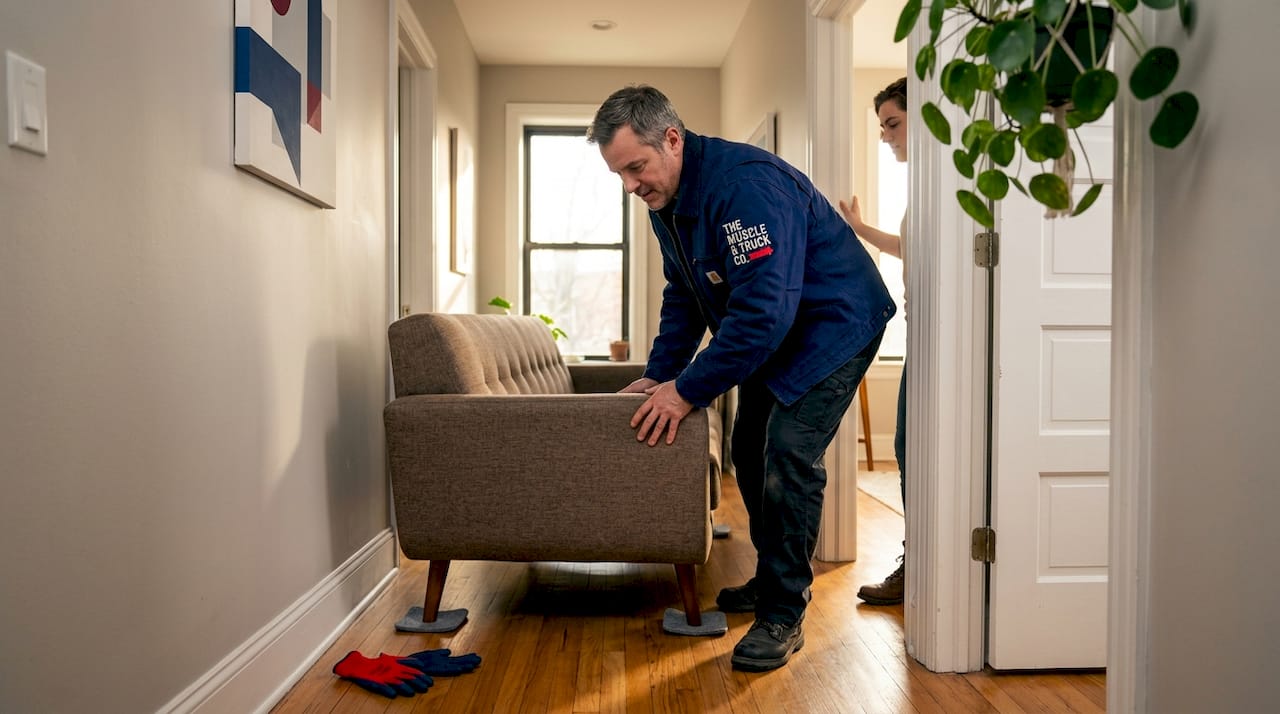
Measuring furniture and access points before you move is the most overlooked step in any DIY relocation. Measure the height, width, and depth of each large item. Then measure every doorway, corridor, and staircase it needs to pass through. Do not forget to check the diagonal measurement of large items like sofas, which often need to be tilted to fit.
Step 2: Disassemble what you can
Disassembling furniture before moving dramatically improves manoeuvrability and reduces the risk of damage and injury. Remove legs from tables, take apart bed frames, and detach shelving where possible. Keep all screws and fittings in labelled zip-lock bags taped directly to the furniture piece they belong to.
Step 3: Use the right tools
Furniture sliders are one of the most practical investments you can make for a small move. Use felt-bottom sliders on hard floors and plastic sliders on carpet. If you do not have sliders, thick cardboard or old towels work as household alternatives for short distances indoors.
Step 4: Lift properly with shoulder straps
For anything genuinely heavy, use forearm or shoulder lifting straps with a second person. Shoulder straps can reduce perceived furniture weight by up to 66% and are especially useful on stairs. Always bend at the knees, keep your back straight, and communicate clearly with your helper before each lift.
Step 5: Protect your floors and walls
Lay down cardboard, old blankets, or moving pads on floors before dragging anything. Cover door frames with cardboard or foam padding to prevent chips and scratches. A few minutes of protection saves you from costly damage repair later.
Accurate measuring and proper disassembly are the two steps most DIY movers skip. They are also the two steps that cause the most problems on moving day. Do both before you need to start lifting anything.
Tackling moving day challenges
Even a well-planned move will throw something unexpected at you. The key is to anticipate the most common issues and have a plan for each.
Tight doorways and tricky staircases are the number one cause of delays and damage on moving day. If you have done your measurements, you will know which items are at risk. For anything borderline, remove the door from its hinges to gain a few extra centimetres of clearance. It takes five minutes and can save a lot of frustration.
Coordinating helpers requires clarity. If friends are helping, assign specific roles before you start. One person directing, one or two lifting, and someone managing the truck loading. Uncoordinated helping is often slower than working alone.
Here is a quick moving day checklist to run through before you leave your old home:
- All boxes labelled and loaded into the vehicle
- Furniture disassembled and fittings bagged and labelled
- All rooms, cupboards, and storage areas checked and emptied
- Utilities, lights, and taps confirmed off
- Keys ready to hand back or lock up securely
Timing your move during mid-month and off-peak periods also makes a practical difference. Peak periods like month-end are busier and more expensive. If your schedule is flexible, avoid these periods to save money and reduce stress.
When unloading, place boxes directly into their destination rooms using your labels. Avoid the temptation to pile everything in one central area. It creates a second sorting job and slows unpacking considerably.
Pro Tip: Keep a basic first aid kit and a bottle of water accessible throughout moving day. It sounds obvious, but minor injuries and dehydration are genuinely common and avoidable.
For Singapore-specific tips for shifting houses, the first-time DIY movers guide from Themuscleandtruck covers local considerations that make a real difference.
My honest take on small moves
I have seen people spend more on a small move than they would have on a full-service relocation, purely because they underestimated the preparation required. The irony is that a small move punishes poor planning more harshly than a large one, because there is less room to absorb the mistakes.
What I have learned is that decluttering is not optional. It is the single action that makes everything else easier. Every item you choose not to move saves you packing time, transport space, and physical effort. Most people know this but still move things they haven’t touched in years out of habit or vague sentimentality.
The other thing I would stress: popular moving hacks are often useless. Wrapping plates in clothing sounds clever until you realise it does not offer proper cushioning and makes unpacking a nightmare. Stick to proven methods, not social media shortcuts.
What actually works is boring but effective: a proper inventory, the right box sizes, measured furniture, good sliders, and shoulder straps for heavy lifting. There is no trick more useful than simply being prepared.
If you are confident in your packing but need help with the heavy lifting and transport, that is exactly the scenario where a no-frills service makes financial sense. You pay for what you actually need.
— Jessica
Moving made easier with Themuscleandtruck
If you have sorted your packing but need reliable help with the heavy lifting and transport, Themuscleandtruck is built precisely for that. The service is designed for pre-packed movers who want professional truck and manpower support without paying for a full-service package they don’t need.
You can get an instant quote online in minutes, with transparent hourly pricing and no hidden fees. It is an honest, cost-effective fit for small-scale relocations in Singapore. Whether you need help shifting a few items or moving an entire studio flat, the service scales to what you actually require. Explore flexible moving options to find the level of support that fits your budget small move plan.
FAQ
What is the best way to start planning a small move?
Begin with a full inventory of everything you intend to move, then declutter using the keep, donate, and discard system. This reduces your load and clarifies exactly what transport capacity you need.
How far in advance should I plan a small move?
Two to four weeks is generally sufficient for a small move. Starting earlier gives you time to declutter properly, source packing supplies, and secure transport at your preferred date and time.
What should I pack in an essentials bag for moving day?
Pack important documents, valuables, toiletries, a phone charger, and basic kitchen items you will need in the first 24 to 48 hours. Load this bag last and unload it first at your new home.
How do I move heavy furniture safely without professional movers?
Disassemble furniture where possible, use felt-bottom sliders on hard floors, and lift heavy items using forearm straps with a second person. Always measure doorways and corridors before attempting to move large pieces.
When is the cheapest time to book a small move in Singapore?
Mid-month and off-peak months are generally more affordable and less busy than end-of-month or start-of-month periods. Booking in advance during these windows typically gives you better availability and lower rates.
Recommended
- Cost-saving small move solutions in Singapore explained – The Muscle & Truck Co.
- How to prepare for movers: a stress-free move guide – The Muscle & Truck Co.
- Flexible moving services in Singapore: options for small moves – The Muscle & Truck Co.
- How to Pack Your Home Like a Pro & Get a Moving Quote in 2 Minutes – The Muscle & Truck Co.